
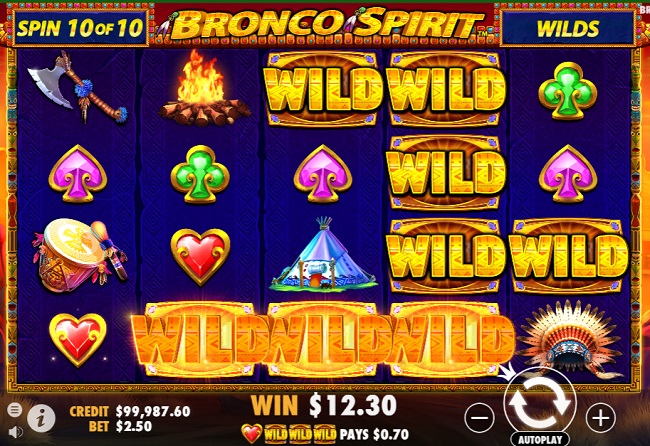
This page provides straightforward facts concerning the ‘Book of the Fallen’ online slot https://casinobooks.games/book-of-the-fallen. We look at it as one part of the larger gambling scene in the UK. The material is intended for teachers, youth leaders, and young people who desire a clear picture of how these games work. We explain their rules, the maths behind them, and the laws that regulate them. The goal is not to advertise or just to criticise. Instead, we strive to build critical thinking and digital awareness for young people who encounter these games in a world full of digital media.
Comprehending the Core Theme and Plot
‘Book of the Fallen’ uses a fantasy adventure theme. It includes old books, mythical beasts, and explorer characters. This sort of story is ubiquitous in entertainment for young people, from blockbuster films and video games to popular novels. It’s valuable to see this setting for what it is: a decorative shell. The game’s fantasy world is compelling by design, but the actual activity is pure chance. Every result comes from a computer program called a Random Number Generator. Making that distinction is the foundation for any sensible discussion about the game.
The Science of Random Number Generators (RNG)
Any licensed online slot across the UK, such as ‘Book of the Fallen’, operates on a Random Number Generator (RNG). This software makes each spin a distinct, random event. The game retains no memory. A win now carries no bearing on the next outcome. A key term to understand is Return to Player (RTP). This is a percentage figure, for example 96%. It reflects the money a slot is configured to pay back over millions of spins. That figure is a extended mean, not a promise for your next ten spins. Understanding this idea shows the built-in mathematical edge these games contain.

Analysis of Common Slot Game Elements
Games like ‘Book of the Fallen’ employ a series of common elements. Analyzing these helps remove their enigma. You will discover Wild symbols that serve like jokers to fill lines, and Scatter symbols that trigger bonus rounds. Many ‘Book of’ slots also use a particular expanding symbol during free spins. View these features as coded events, not chance surprises. Below is a simple list of what you commonly find:
- Wild Symbols: These symbols can substitute for others to produce a winning combination.
- Scatter Symbols: Getting a specific number of these anywhere on screen generally starts a bonus game or free spins.
- Free Spins Bonus Round: A number of spins you get without making another bet, often with particular rules.
- Expanding Symbols: In some bonus rounds, one symbol can be chosen to expand and occupy a whole reel, which might result in bigger wins.
British Legislation and Age Limits
The UK’s gambling laws are stringent. The Gambling Commission upholds them. It is unlawful for any company to provide real-money gambling to anyone under 18. This law includes ‘Book of the Fallen’ and every other casino game. Since April 2022, operators also cannot accept credit cards for bets and must carry out stronger affordability checks. For young people, this legislation is a firm boundary. Playing these games for real money is against the law. In education, we can frame these rules as a form of safeguarding. They are in place because younger people can be more financially exposed and their decision-making is still evolving.
Mental Principles in Game Design
Slot games are constructed using ideas from behavioral psychology. Consider the bright colours, the thrilling sounds that play even for tiny wins, and the ‘near-miss’ where symbols stop just short of a jackpot. These elements are not accidental. They are engineered to keep players engaged by triggering dopamine releases in the brain. The ‘autoplay’ feature, which spins the reels over and over automatically, can make it easy to lose track of time and money. Understanding these design tricks helps young people see the engineering behind the experience. The same principles often apply to the social media feeds and video games they use every day.
Distinguishing Slots with Skill-Dependent Video Games
It’s useful to contrast chance-based slots with the skill-based video games many young people play. A game like ‘Book of the Fallen’ depends entirely on the luck of the RNG. A popular video game, however, requires coordination, strategy, and practice. You progress at a video game through effort, and your progress reflects that skill. In a slot, the idea of ‘progress’ is an illusion. Each spin is a distinct, random event. Seeing this difference is important. It frames gambling as paid entertainment where you will likely lose money over time. A hobby like gaming, by contrast, can foster real skills and a sense of achievement.
Materials for Healthy Gaming Awareness in the UK
Happily, several reliable crunchbase.com UK groups provide free materials perfect for schools and youth clubs. These resources give facts about gambling, outline the risks, and recommend ways to stay in control. They are useful tools for any lesson on this topic. The main organisations are:
- GamCare: They provide advice and run a Youth Outreach programme with workshops and lesson plans for schools.
- BeGambleAware: This national charity concentrates on safer gambling. Their website is packed with information, and they run the National Gambling Helpline.
- The Young People’s Gambling Harm Prevention Programme (YPGHPP): Delivered by charities, this scheme works directly with schools and youth groups across the country.
- The Gambling Commission’s Website: The official regulator’s site holds all the legal details, consumer rights information, and industry statistics.
Using these resources transforms theory into practical awareness. It connects the mechanics of a slot like ‘Book of the Fallen’ to real support systems and the UK’s approach to preventing gambling harm. This grounding can meet curiosity about game design without leading to risky behaviour. The aim is to build a generation of informed young adults who understand both the appeal and the inner workings of these digital products.